
The Question Behind the Question
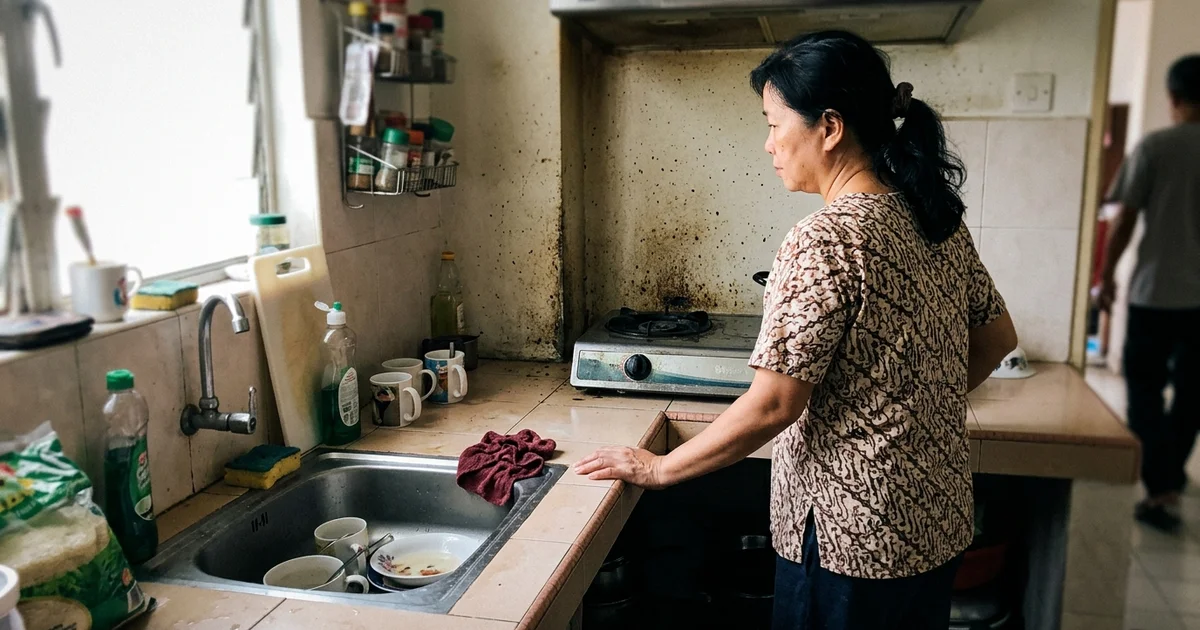
Most people asking this aren’t really comparing two services. They’re asking whether the state of their home has crossed a line, and whether booking a deep cleaning session instead of a routine slot is justified.
Here’s a straight way to decide.
Five Signs It’s Time
1. Your cleaner never reaches the same rooms. If the guest bathroom or the back bedroom gets skipped every visit, the property has more work in it than the slot allows. Adding hours forever is more expensive than one reset.
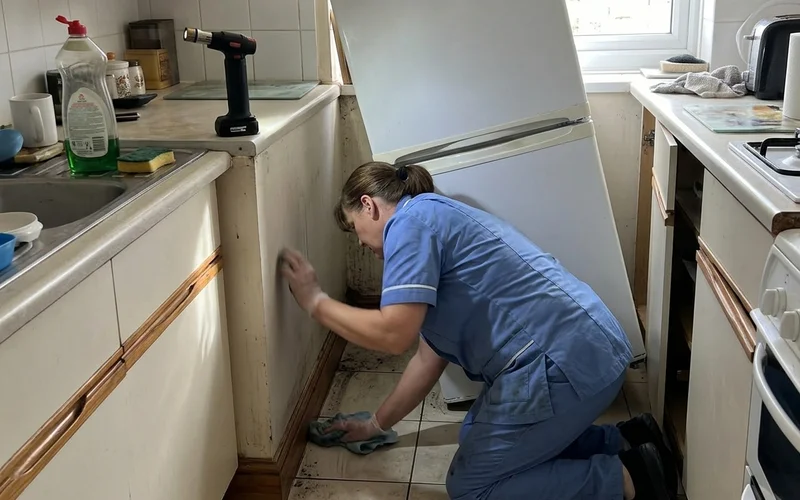
2. What you see is build-up, not dust. Brown tackiness near the stove, white crust on taps, grout that’s gone several shades darker. Routine wiping doesn’t touch any of it. Our guide on what deep cleaning covers explains why.
3. The place smells before it looks dirty. Bathroom and kitchen odours usually come from build-up in places you can’t easily see: drain traps, grout, the area behind the fridge.
4. You’ve stopped having people over unannounced. Not a cleanliness metric exactly, but an honest one. It usually means you know there’s a backlog.
5. Nobody has deep cleaned in a year or more. In Perak’s humidity, that’s long enough for grease and scale to properly set.
Timing Triggers Worth Planning Around
Certain moments make a deep cleaning booking obviously worthwhile:
- Before a festive season — Raya, Chinese New Year, Deepavali or Christmas
- Before or after hosting — a family gathering, a wedding at home, houseguests staying
- Taking over a property — bought, rented or inherited
- After illness in the house — a full sanitising reset
- Start of a new cleaning arrangement — reset first, then maintain
- After a long absence — a property left closed up for months in humid weather
What It Costs in Time and Money
A deep clean is quoted after a free assessment, because the hours depend on build-up rather than floor area alone. As a rough guide, a single-storey Ipoh home is a long half-day to a full day, and a neglected double-storey usually needs a full day with two cleaners.
The comparison worth making isn’t deep clean versus routine clean. It’s one deep clean plus cheaper routine slots afterwards, against permanently paying for longer routine slots that never quite catch up.
Switching to Routine Afterwards
The point of a deep clean is that it makes everything after it cheaper.
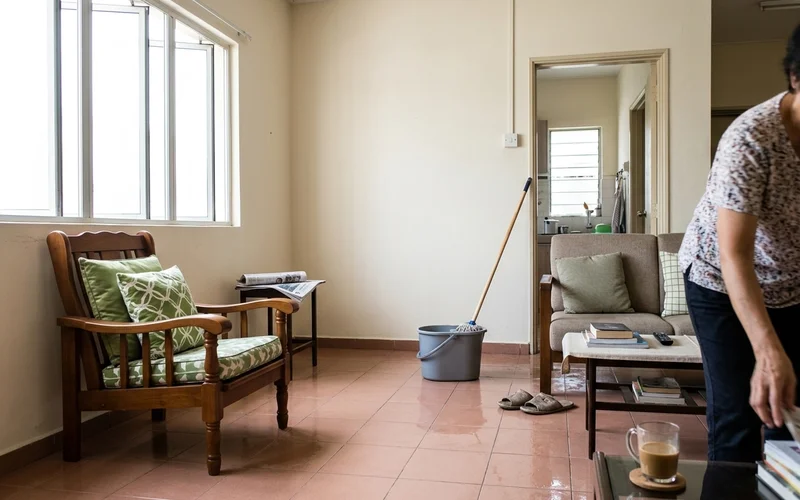
Once the property is reset, a four-hour routine slot genuinely keeps it there — weekly for busy households, fortnightly for quieter ones. The cleaner spends the time on maintenance instead of the same backlog every visit.
The pattern that works for most Ipoh homes
One deep clean to reset. Then a shorter recurring slot with the same cleaner. Then a second deep clean six to twelve months later if the household is a busy one.
If you’re still not sure which side of the line you’re on, send a few photos of your kitchen and bathrooms. We’ll tell you honestly whether a routine slot will handle it — sometimes the answer is yes, and we’d rather say so.
What to Expect on the Day
If you’ve decided a deep clean is warranted, here’s what the day actually looks like so there are no surprises.
Arrival and walk-through. Five or ten minutes going through the property with you, confirming priorities, flagging anything delicate and agreeing what’s out of scope.
Products go on early. Degreaser in the kitchen and descaler in the bathrooms get applied first and left to work while the dry top-down cleaning happens elsewhere. This is deliberate, not idling — those products need dwell time to do anything.
The heavy middle. Kitchen and bathrooms take the bulk of the hours. Expect noise, expect the rooms to be out of use for a while, and expect it to look worse before it looks better.
Detail work. Tracks, skirtings, switches, frames, fan blades. Slow, quiet, and the part that makes the difference between clean and properly clean.
Floors last, then the walk-through. We finish at the exit and go through the result with you before packing up. If something isn’t right, that’s the moment to say.
Plan the day, not just the booking
For a full-day deep clean, arrange to be out for the middle stretch if you can. It’s faster for us and considerably less disruptive for you.